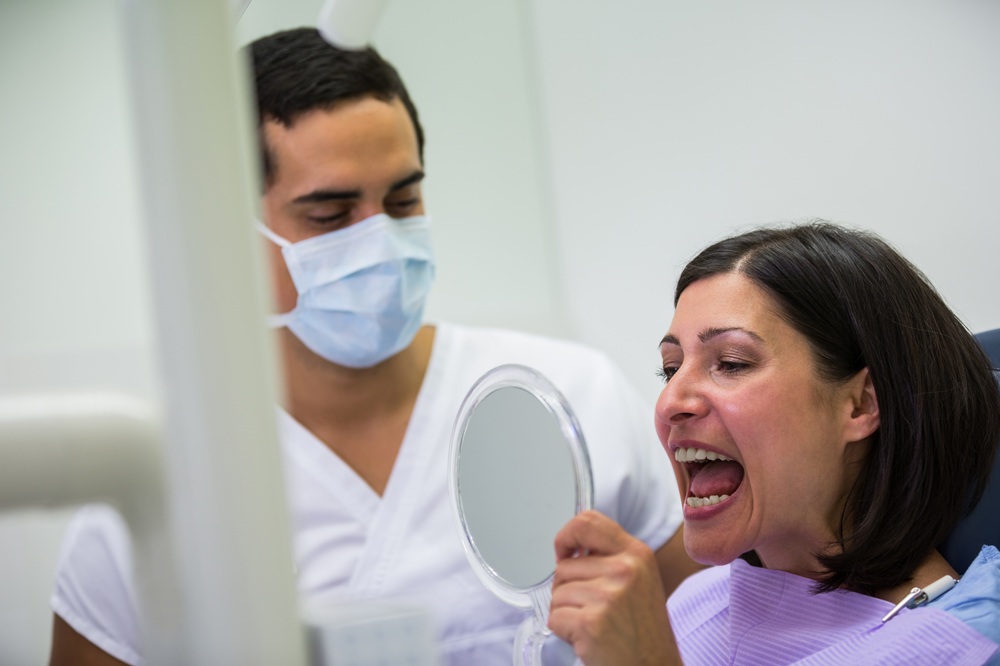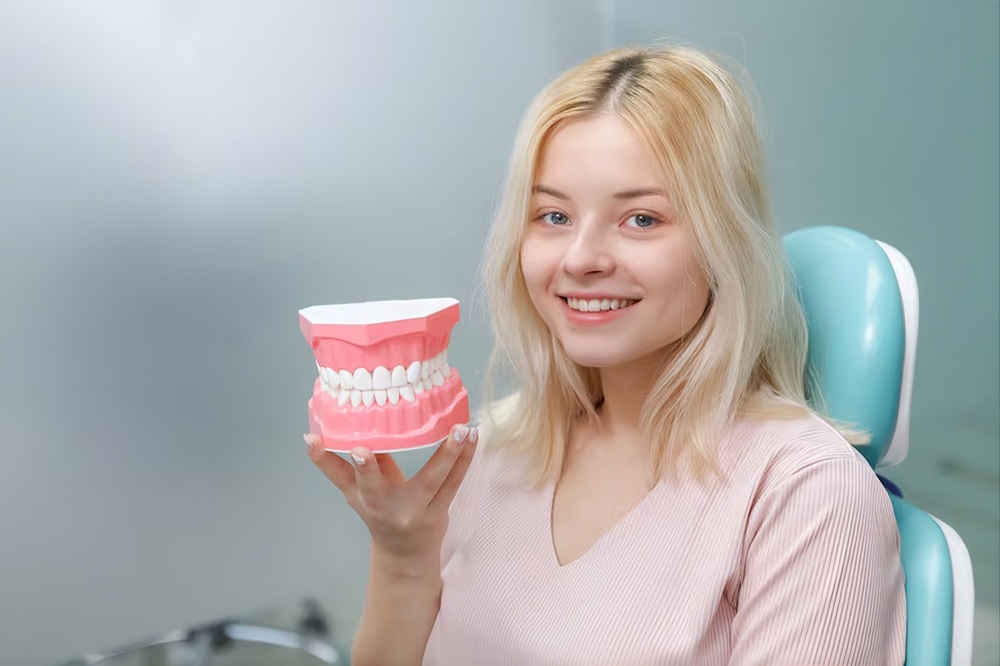
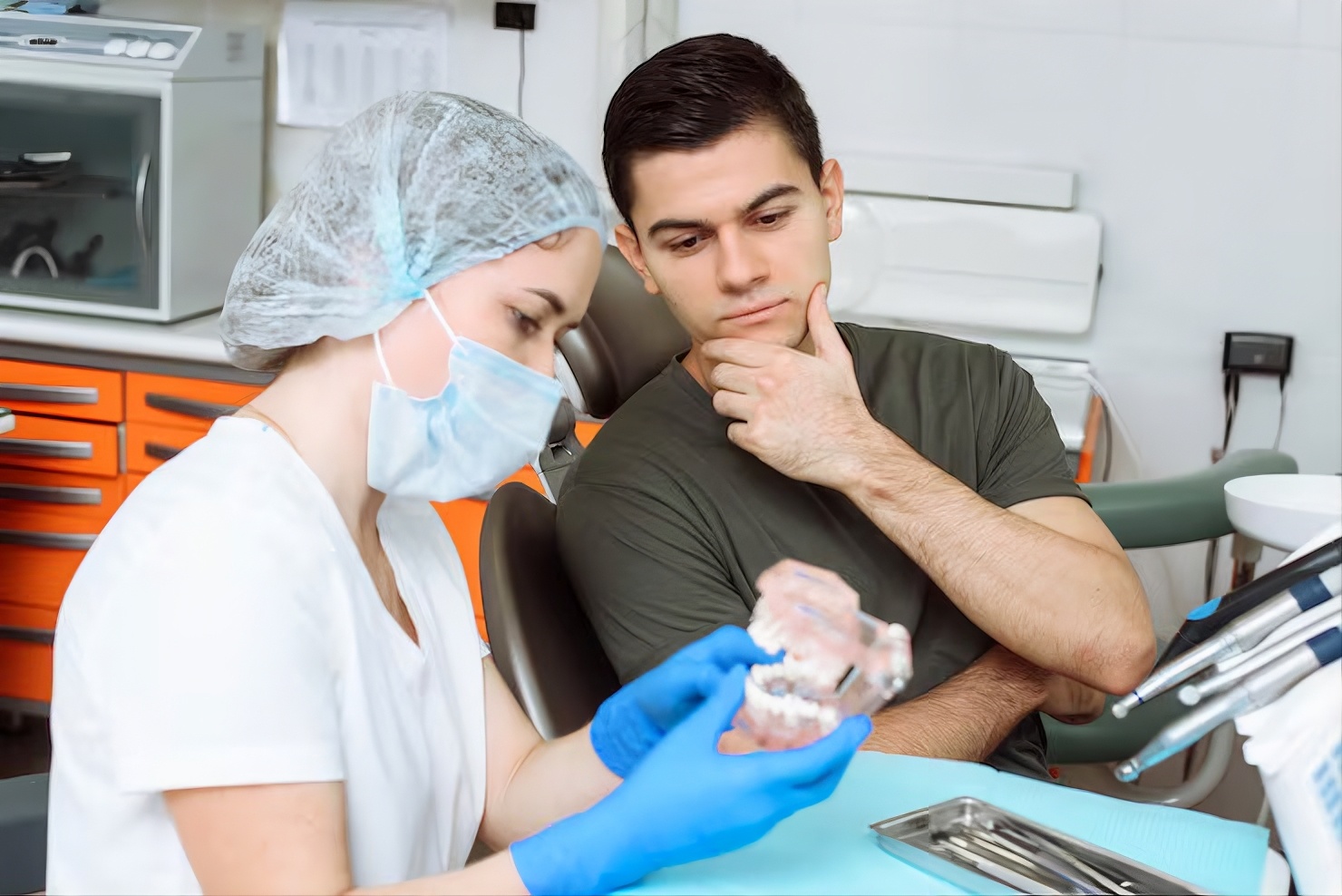
Not every uneven tooth needs orthodontic treatment, but certain signs may show that your teeth or bite could benefit from closer attention. Orthodontics near you can help assess concerns such as crowded teeth, gaps, bite problems, or difficulty keeping teeth clean. Early assessment can make it easier to understand what is happening and whether treatment is needed.
A dental checkup can find problems that may be hard to notice at home. It also helps the dentist see how your teeth fit together and whether their position affects your comfort, cleaning, or chewing.
What Are the Common Signs You May Need Orthodontic Treatment?
Some signs are easy to see, while others may become noticeable during eating or brushing. Dental clinic near you services can help assess these concerns before deciding whether orthodontic treatment is appropriate.
Look for signs such as:
- Teeth that overlap or appear crowded
- Noticeable gaps between teeth
- Upper and lower teeth that do not meet properly
- Difficulty biting or chewing certain foods
- Teeth that are difficult to clean because of their position
- Frequent biting of the cheeks or tongue
- Teeth that appear unusually worn
- Jaw discomfort linked to the way the teeth meet
Having one of these signs does not automatically mean braces or clear aligners are required. An assessment is needed to understand the cause.
How Can Crowded Teeth Be a Sign?
Crowding happens when there is not enough room for teeth to sit in their normal positions. Teeth may overlap, twist, or sit too close together.
Crowded teeth can make brushing and flossing more difficult because some areas are harder to reach. This may allow plaque to build up more easily.
An orthodontic assessment can determine whether the crowding is mild or whether tooth movement could improve the alignment.
Do Gaps Between Teeth Need Treatment?
Small spaces between teeth can be completely normal. However, larger or unusual gaps may sometimes be linked to tooth size, tooth position, or the way the teeth developed.
A gap may also appear after a tooth is lost or when nearby teeth shift position. Treatment is not always needed simply because a space is visible.
The important question is whether the gap affects function, comfort, oral health, or the overall bite.
Could Your Bite Mean You Need Orthodontic Care?
The way the upper and lower teeth come together is an important part of orthodontic care. Problems with the bite may include an overbite, underbite, crossbite, or open bite.
These concerns can sometimes affect:
- Biting and chewing
- Speaking
- Tooth wear
- Cleaning certain areas
- Comfort when closing the mouth
A proper examination can show whether the bite needs correction and how much movement may be required.
When Should Teeth Be Checked?
There is no single age or symptom that determines when orthodontic treatment should begin. Children, teenagers, and adults may all benefit from an orthodontic assessment when alignment concerns are present.
A dentist in Kingsway Mall assessment can help identify changes in tooth position and determine whether a referral or further orthodontic evaluation may be useful.
An assessment may be especially helpful when:
- Teeth are becoming more crowded.
- A bite has changed
- A permanent tooth is not coming in normally.
- Cleaning certain teeth remains difficult.
- Jaw or chewing concerns are present.
Can Difficulty Cleaning Teeth Be a Warning Sign?
Yes. Teeth that overlap or sit in hard-to-reach positions can make daily cleaning more challenging.
This does not mean every difficult-to-clean tooth needs orthodontic treatment. However, persistent trouble reaching certain areas is worth discussing during a dental visit.
Better alignment may make some areas easier to clean, depending on the individual situation.
Ready to Take the Next Step Toward a Better-Aligned Smile?
Noticing changes in your teeth, bite, or chewing comfort is a good reason to seek a professional assessment before the concern becomes harder to manage. Book an appointment with Kingsway Dental Choice to talk through your dental concerns, have your tooth alignment and bite carefully evaluated, and understand the available treatment options, expected steps, and what may be appropriate for your individual smile.
FAQs
Can teeth become crooked as you get older?
Yes. Teeth can move over time for different reasons, including losing a tooth or natural changes in the mouth.
Can adults get orthodontic treatment?
Yes. Adults can get orthodontic treatment if their teeth and gums are healthy enough for the planned treatment.
Does every bite problem need treatment?
No. Some bite differences are minor and may not require correction. The need depends on how the bite affects function, comfort, and oral health.
What happens during an orthodontic assessment?
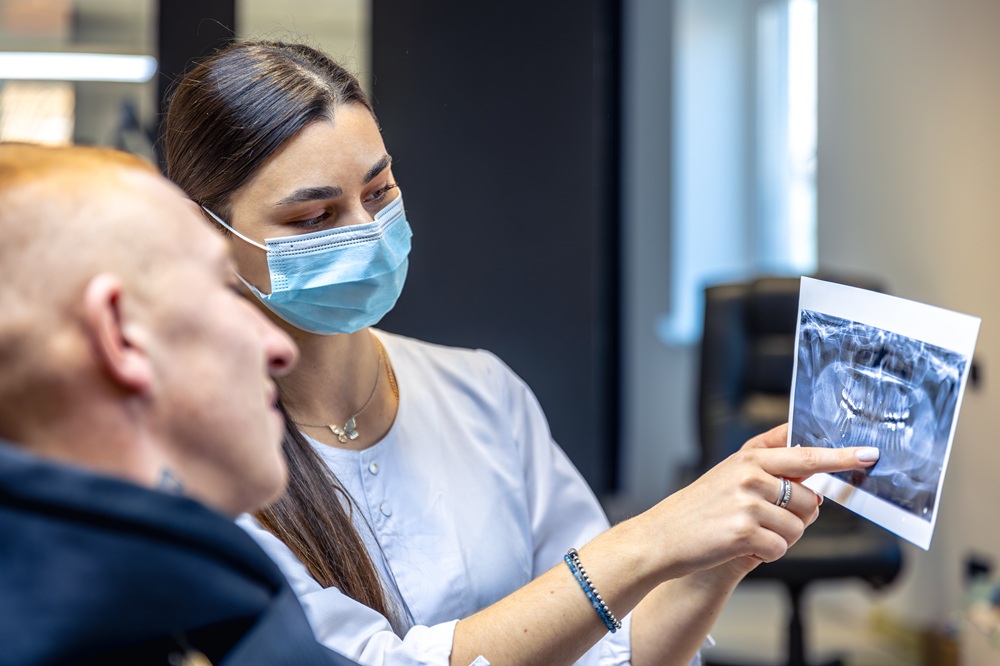
The teeth and bite are examined to identify alignment concerns. Additional records or X-rays may be recommended when more information is needed.