
Children’s permanent molars have narrow grooves that can collect food and plaque, even when brushing is part of their daily routine. Dental sealants for kids are thin protective coatings applied to the chewing surfaces of suitable teeth to help lower the risk of cavities. They are often considered when permanent molars erupt, but they are not necessary for every child.
Tooth development, groove depth, and cavity risk all influence the decision. Sealants work alongside fluoride toothpaste, healthy eating habits, and regular dental checkups rather than replacing them.
If you are exploring dental sealants near you, it is important to learn whether this treatment may help protect your child’s teeth based on an individual assessment.
How Sealants Help Protect Back Teeth
Molars have pits and grooves that toothbrush bristles may not reach easily. A sealant forms a thin barrier over these areas, making it harder for food and plaque to collect in the deepest grooves. This can help protect back molars, particularly soon after permanent teeth erupt.
Sealants reduce the risk of cavities but do not make teeth immune to decay. Cavities can still develop on uncovered surfaces or beneath a damaged or partially detached coating. Daily brushing with fluoride toothpaste and regular dental visits remain essential.
Which Children May Benefit?
Sealants are commonly considered for children whose permanent molars have erupted and have deep grooves that are difficult to clean. Children with a history of cavities or a higher risk of tooth decay may benefit, too. Other teeth may be suitable, depending on their condition and the dental professional’s assessment.
Age alone does not determine whether a sealant is needed. The dentist checks the tooth for signs of decay and decides whether preventive coating is appropriate or another treatment is required.
What Happens During Application?
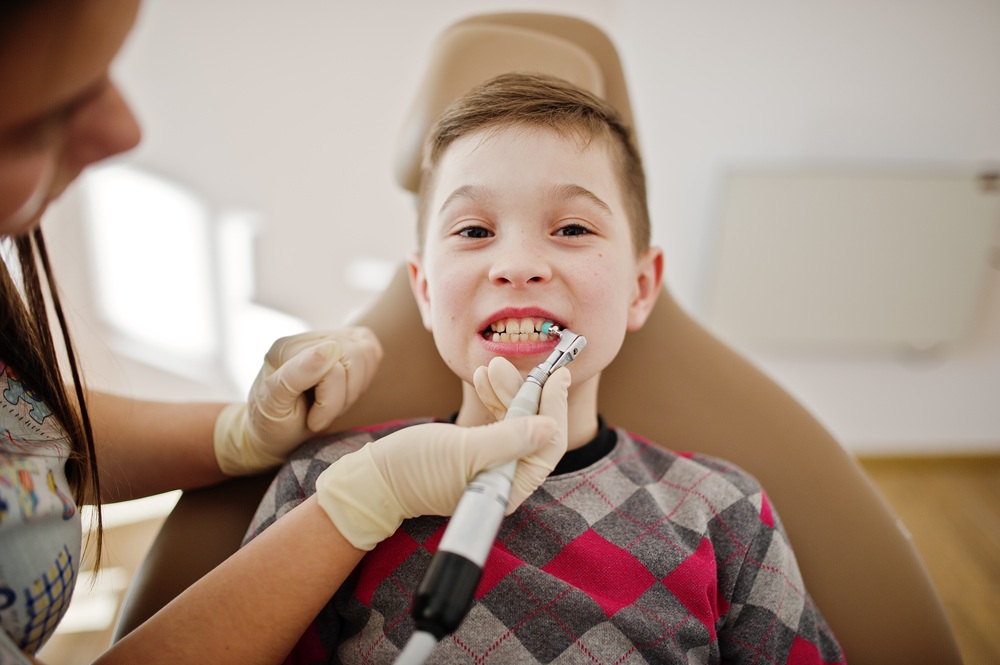
For a suitable tooth, the process is generally straightforward and usually does not require drilling or freezing. The tooth is cleaned and dried, a conditioning solution may be applied, and the sealant is placed over the chewing surface.
Depending on the material, a curing light may be used to harden it. The dentist then checks the coating and the bite. If you are looking for a dentist in Kingsway Mall, you may confirm appointment availability to discuss your child’s needs.
How Long Do Sealants Last?
Sealants can remain effective for several years, although chewing forces and everyday wear may cause them to chip or wear away. During routine visits, the dentist checks whether the coating is intact and recommends repair or reapplication if needed.
A dental clinic near you can help monitor the sealants as your child grows. Continue brushing twice daily with fluoride toothpaste, cleaning between teeth when appropriate, and limiting frequent sugary snacks and drinks. These habits support prevention across the whole mouth, not just the sealed surfaces.
Understanding What Sealants Can and Cannot Do
Sealants reduce the risk of decay on covered grooves; they do not replace good home care or professional examinations. If decay is already present, the dentist must assess it and determine suitable treatment rather than simply covering the affected area.
Give Your Child’s Back Teeth Added Protection
Preventive care works best when it reflects a child’s individual needs and developmental stage. Book a consultation with Kingsway Dental Choice to discuss whether sealants are appropriate for your child. A simple preventive step today may help support healthier smiles as permanent teeth develop.
FAQs
Do kids need sealants?
Not every child needs them. Sealants may be recommended when molars have deep grooves or a child has a higher risk of cavities. A dental assessment helps determine whether the teeth are suitable and whether another treatment is needed first.
At what age are sealants usually considered?
They are often considered when the first permanent molars appear, around age six, and again when the second permanent molars erupt, commonly around age twelve. Timing varies, so the dentist assesses each tooth after it emerges.
How do sealants prevent cavities?
Sealants cover pits and grooves where food and plaque can collect, making these areas easier to protect from decay. They reduce risk on the covered surfaces but cannot prevent every cavity, so fluoride toothpaste, healthy habits, and regular checkups are still important.
Does applying a dental sealant hurt?
Applying a sealant to a suitable tooth is generally painless and usually does not require drilling or freezing. The tooth is cleaned, dried, coated, and then allowed to set. If decay is present, the dentist may recommend treating it separately first.
Can a child still get a cavity after sealants?
Yes. Decay may develop on tooth surfaces that are not covered or if a sealant becomes worn or damaged. Regular dental visits allow the coating to be checked and repaired as needed, while daily brushing and healthy eating habits help reduce the risk of cavities.